
Guide
Building Consent Auckland: A Practical Guide for Renovations in 2026
By Intelli Design Homes · 30 October 2026 · 8 min read
You generally need building consent in Auckland for structural alterations, new additions, many new wet areas, significant plumbing or drainage work, and work that affects fire safety or other parts of the Building Code. You may not need it for some cosmetic work, maintenance or like-for-like replacements, but the exemption must fit the exact work. Resource consent is a separate planning approval under the Auckland Unitary Plan. A job can need building consent, resource consent, both, or neither. We check the scope before work starts.
Building consent, resource consent and exempt work are different
Building consent
Building consent confirms that proposed building work can comply with the Building Act and New Zealand Building Code. It covers structure, durability, moisture management, fire safety, access, sanitation, energy efficiency and services.
Resource consent
Resource consent deals with land use and development rules in the Auckland Unitary Plan: height, setbacks, site coverage, earthworks, parking, access, trees, heritage, special character, natural hazards and other overlays. Resource consent does not replace building consent.
Exempt building work
Schedule 1 of the Building Act lists building work that does not require a building consent, subject to conditions. Exempt work still has to comply with the Building Code. The property owner is responsible for making sure the exemption applies.
When building consent is usually required
- Structural alterations: Removing, altering or adding load-bearing walls, beams, posts, foundations, bracing or roof structure
- New additions and extensions: A new room, enclosed porch, sleepout, garage, upper-level addition or major deck
- Bathrooms and wet areas: A new tiled wet area shower, additional sanitary fixture, relocated drainage
- Plumbing and drainage changes: Moving sanitary fixtures, adding a new bathroom, altering drainage
- Fire and safety changes: Affecting escape windows, fire separations, smoke alarms, stairs, handrails, barriers
- Recladding and weathertightness work: Significant alteration to the building envelope or repair of a leaky building
Work that may be exempt
Some lower-risk work may not need building consent when it meets Schedule 1 conditions. The phrase "like for like" is not a universal exemption. Changing the size, location, load, waterproofing, structure or performance of a component can change the assessment.
A common question is whether replacing plumbing fixtures requires consent. Under Schedule 1, certain plumbing and drainage work carried out by an authorised person (a registered plumber or drainlayer) may be exempt from building consent. For example, replacing an existing toilet, basin or tap in the same position using a compliant product and carried out by a registered tradesperson can fall within the exemption. However, relocating fixtures, adding new ones, altering drainage lines or changing from one system to another can take the work outside the exemption. We confirm the exemption position before relying on it.
The property owner is the legal owner of the building work and remains responsible for compliance. An owner or their authorised agent (such as a builder, designer or project manager) can lodge the building consent application on the owner's behalf, but the owner should understand what is being applied for and what conditions apply.
Do I need building consent for a kitchen renovation?
A kitchen remodel that stays within the same space and leaves the sink in the same position may not need consent, provided the work does not affect structure. Consent may be required if the project removes a structural wall, adds or relocates plumbing fixtures, changes drainage, creates a new opening, or includes a tiled wet area.
Read our guide to kitchen renovation cost in Auckland for cost planning. The consent question should be settled during the scope stage.
Do I need building consent for a bathroom renovation?
A simple replacement of existing sanitary fixtures in their existing positions may be exempt in some cases. A new tiled shower, additional fixture, relocated drainage, altered structural floor or changed fire separation can require consent. We treat bathroom work carefully because waterproofing failures are expensive to repair after tiling is complete.
Auckland building consent process, step by step
- Define the proposed work: Prepare a written scope and mark up the existing plan.
- Check planning requirements: Review the Auckland Unitary Plan zone and overlays.
- Complete measured drawings and design: The designer records the existing house and develops plans, elevations, sections and details.
- Obtain engineering and specialist information: Structural, geotechnical, fire, drainage or other advice as required.
- Assemble the application: Application forms, site plans, floor plans, elevations, sections, structural details, drainage layouts, insulation info, waterproofing details, product specs, engineering calculations.
- Lodge and pay the deposit.
- Council assesses the application: Auckland Council has 20 working days to process an accepted application. The clock pauses if further information is requested.
- Respond to requests for information.
- Consent is issued: Read the approved drawings, specifications, conditions and inspection schedule. Do not build from an older concept drawing.
- Build, inspect and close out: The builder arranges inspections and keeps records. At completion, apply for the Code Compliance Certificate.

Book a Free Consultation
How much does building consent cost in Auckland?
The total cost of obtaining building consent includes Council lodgement and processing fees, designer documentation, structural engineering, surveying and any specialist reports. Auckland Council's 2026/27 schedule lists initial building-consent deposits by declared project value: $1,282 for work up to $4,999; $2,004 for $5,000-$19,999; $3,005 for $20,000-$99,999; $5,479 for $100,000-$499,999; $7,772 for $500,000-$999,999; and $10,665 for $1,000,000 and over. These are deposits, not guaranteed final costs. Council may refund the difference or invoice additional processing and inspection time, and statutory levies and professional fees may also apply. Check the current Auckland Council building consent fee schedule before lodging an application.
| Project type | Consent complexity | Cost factors |
|---|---|---|
| Minor internal alteration | Low to medium | Drawings, service details and any structural check |
| Kitchen or bathroom with structural/wet-area work | Medium | Engineering, waterproofing, plumbing and drainage details |
| House extension | Medium to high | Survey, foundations, structural design, envelope, drainage and planning |
| Second storey or major reclad | High | Structural engineering, weathertightness, fire, planning and detailed inspections |
| Heritage or special character alteration | Variable to high | Resource consent, heritage assessment and design response |
How a builder handles consent for you
Our role includes: reviewing the existing house, identifying likely consent triggers, recommending consultants, providing construction input to drawings, checking documents for buildability, coordinating the application, tracking Council questions, pricing the consented scope, building to approved documents, and collecting handover records.
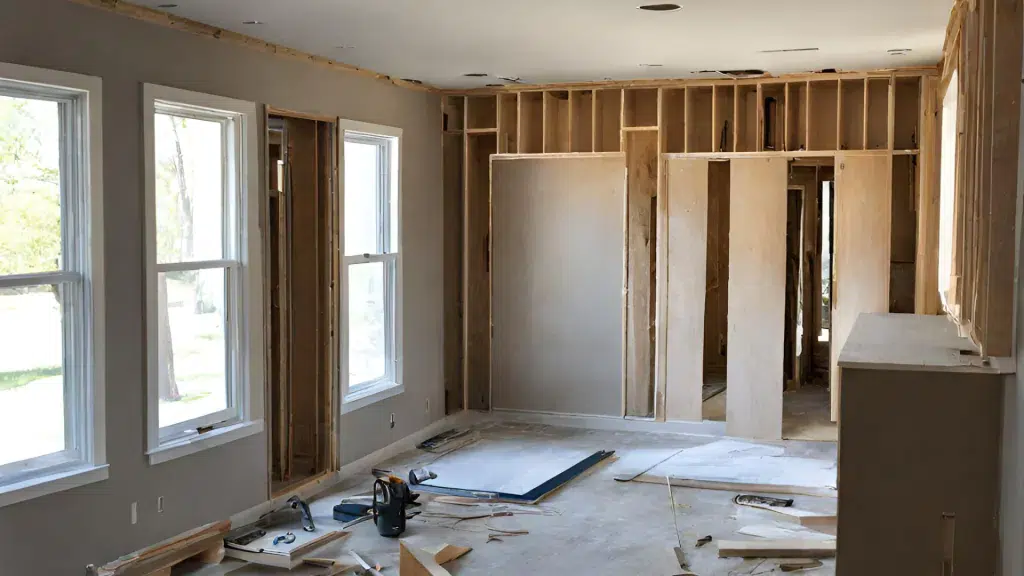
The owner remains the applicant and legal owner of the building work. We explain responsibilities before the contract is signed.
Common consent mistakes
- Starting demolition before confirming what approvals apply
- Assuming a small project is exempt based on size alone
- Ignoring resource consent (building consent drawings can still breach a yard, height, tree or character rule)
- Building from an unapproved revision instead of the consented set
- Letting the 20-day clock create false confidence (it pauses for information requests)
- Failing to document exempt work for future sale, insurance or finance
- Leaving the CCC until years later when records are harder to collect
Frequently asked questions
Do I need building consent for a renovation in Auckland?
You may need it for structural alterations, additions, new wet areas, plumbing and drainage changes, fire safety changes, recladding and other work listed by the Building Act. Some maintenance and cosmetic work may be exempt. We check the exact scope.
What is the difference between building consent and resource consent?
Building consent covers compliance with the Building Act and Building Code. Resource consent covers the Auckland Unitary Plan and effects of development on the site and neighbours. A project can need one, both or neither.
How long does Auckland building consent take?
Auckland Council's statutory processing period is 20 working days for an accepted application. The clock stops if Council requests more information. Allow extra time for design, engineering, application preparation, resource consent and responses.
How much does building consent cost in Auckland?
Auckland Council's initial building-consent deposit depends on the declared project value. Under the 2026/27 schedule, deposits range from $1,282 for work up to $4,999 to $10,665 for projects valued at $1,000,000 or more. The deposit is not necessarily the final Council cost: additional processing, inspection time, statutory levies, professional fees and any resource consent are separate considerations.
Can my builder apply for building consent?
A builder can coordinate the application and work with the designer, engineer and owner. Confirm who is the applicant, who pays the fees, who responds to Council and who controls approved documents.
What happens if I build without required consent?
Starting work that requires building consent without obtaining it can be an offence and can create problems with inspections, insurance, finance, sale and future alterations. Do not assume retrospective paperwork will be simple.
Get a clear consent plan before renovating
Book a free consultation with Intelli Design Homes. We can review the scope, identify likely building and resource consent questions, and explain what documents are needed. Visit our home renovation service, submit an estimate request, or start at Intelli Design Homes. For related Building Code guidance, see /custom-home-building-codes/.
Talk to an Auckland design and build team
Discuss your site, scope and next steps with Intelli Design Homes, or call 0800 689 789.
8 min read
In This Article
- Building consent, resource consent and exempt work are different
- When building consent is usually required
- Work that may be exempt
- Do I need building consent for a kitchen renovation?
- Do I need building consent for a bathroom renovation?
- Auckland building consent process, step by step
- How much does building consent cost in Auckland?
- How a builder handles consent for you
- Common consent mistakes
- Frequently asked questions
- Get a clear consent plan before renovating
Recent Posts
Ready To Start Your Project?
Get an instant online estimate, or book a free consultation with our team.
Instant EstimateFree Consultation